There have been a number of recent news articles covering the horse race of companies providing robotaxi service. Waymo, a pioneer in autonomous vehicles since 2009, has been operating commercial driverless robotaxis across Phoenix, San Francisco, Los Angeles, Atlanta, and Austin, averaging over 250,000 paid trips weekly. Amazon-owned Zoox, meanwhile, is building a fleet of purpose-built, steering-wheel-free vehicles and has begun commercial launches in Las Vegas and San Francisco. Tesla has been racing to join them but has yet to deploy a truly driverless fleet, and a recent Elektrek article titled "Tesla's own AI trainers don't trust 'Full Self-Driving' or its safety stats, Reuters finds" suggests they may have more work to do before they are ready for prime time.
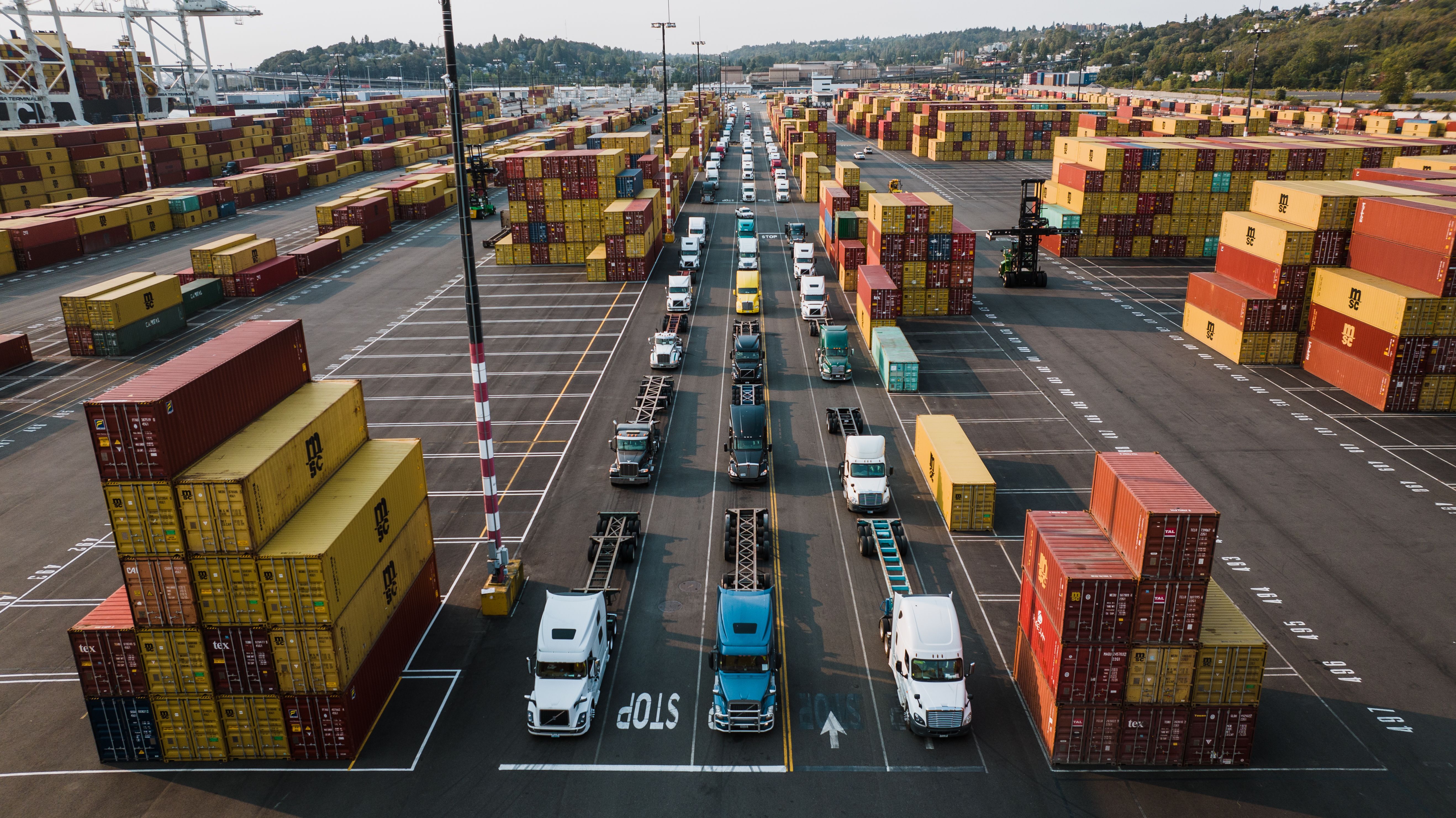
While robotaxis may be getting most of the attention, companies like Aura, Gatik, and Tesla have been advancing autonomous EV semis and box trucks for drayage and mid-mile duties. In the race to scale autonomous EVs, it is very likely that freight-focused vehicles will reach large-scale adoption first. Because they operate on predictable, repeatable, and less densely populated B2B routes - like distribution hubs and port terminals - they bypass some of the regulatory and technological barriers slowing wide-scale passenger robotaxi rollouts. A robotaxi navigating downtown San Francisco at rush hour faces an almost infinite number of variables: jaywalking pedestrians, cyclists, construction, and the general unpredictability of human behavior. A freight truck running a fixed route between a port and a distribution center faces a fraction of that complexity. The route is known, the timing is controlled and the starting and endpoints are purpose-built for vehicle operations.
The proof is already here. Gatik became the first company in North America to deploy fully driverless trucks in commercial operations at scale, with $600 million in contracted revenue and daily deliveries for Fortune 50 retailers, with no human driver or safety observer behind the wheel. Since launching freight-only services in mid-2025, Gatik's driverless trucks have completed tens of thousands of orders across multiple U.S. markets. Aurora Innovation, meanwhile, is operating driverless freight trucks on 10 commercial routes across the southwest, including a 1,000 mile route between Ft. Worth and Phoenix, logging over 250,000 miles to date. While Tesla has yet to put their autonomous semis on the road it has been in development for years and may put semis into service before robotaxis.
The robotaxi headlines are exciting. But the quiet, unglamorous freight revolution happening on fixed B2B routes may be the more consequential story, and EverFleet is ready to help finance it.